Frog Corral gives a small rescue task a playful shape: gather the frogs and help them return to water. Clicking and dragging moves the idea forward, but the pleasure lies in treating a group as a single possibility.
Game cover artwork from the source publication.
Think about the group
The creator describes bringing frogs together to find their way, including the ability for them to stack. That makes gathering part of the puzzle language. Look at the relationships between the frogs and the route, instead of assuming every creature needs a separate journey.
A concise collection of situations
The listed game contains ten levels and introduces gates, snails and other small surprises. A bounded set of situations can be a welcome alternative to an endless progress loop. Each new arrangement offers a reason to reconsider what the same simple dragging action can achieve.
Gentle presentation, attentive play
The pond-side premise suggests an unhurried sort of attention. That does not mean solving itself is automatic: moving a group asks you to notice how it fits through the space. The linked release is built around mouse input, making a desktop a clear starting point.
A useful way to approach it
Think about how a group moves, not only where one frog should finish. Clicking and dragging gives the puzzle its physical shape. A small rearrangement can make the task clearer without requiring a fast sequence of inputs.
One observation to take away
Treat the first attempt as a useful sketch. The important observation is what changed after a deliberate move; there is no need to turn every game into a task to finish or a score to defend.
Read the current destination’s controls and save guidance before starting. This file is editorial reading; the operator supplies the game and sets any account, advertising or purchase arrangements.
A shop can be understood as a collection of short journeys. Monkey Mart turns those journeys into the main activity: moving between supplies, shelves and customers while deciding which small problem deserves attention next.
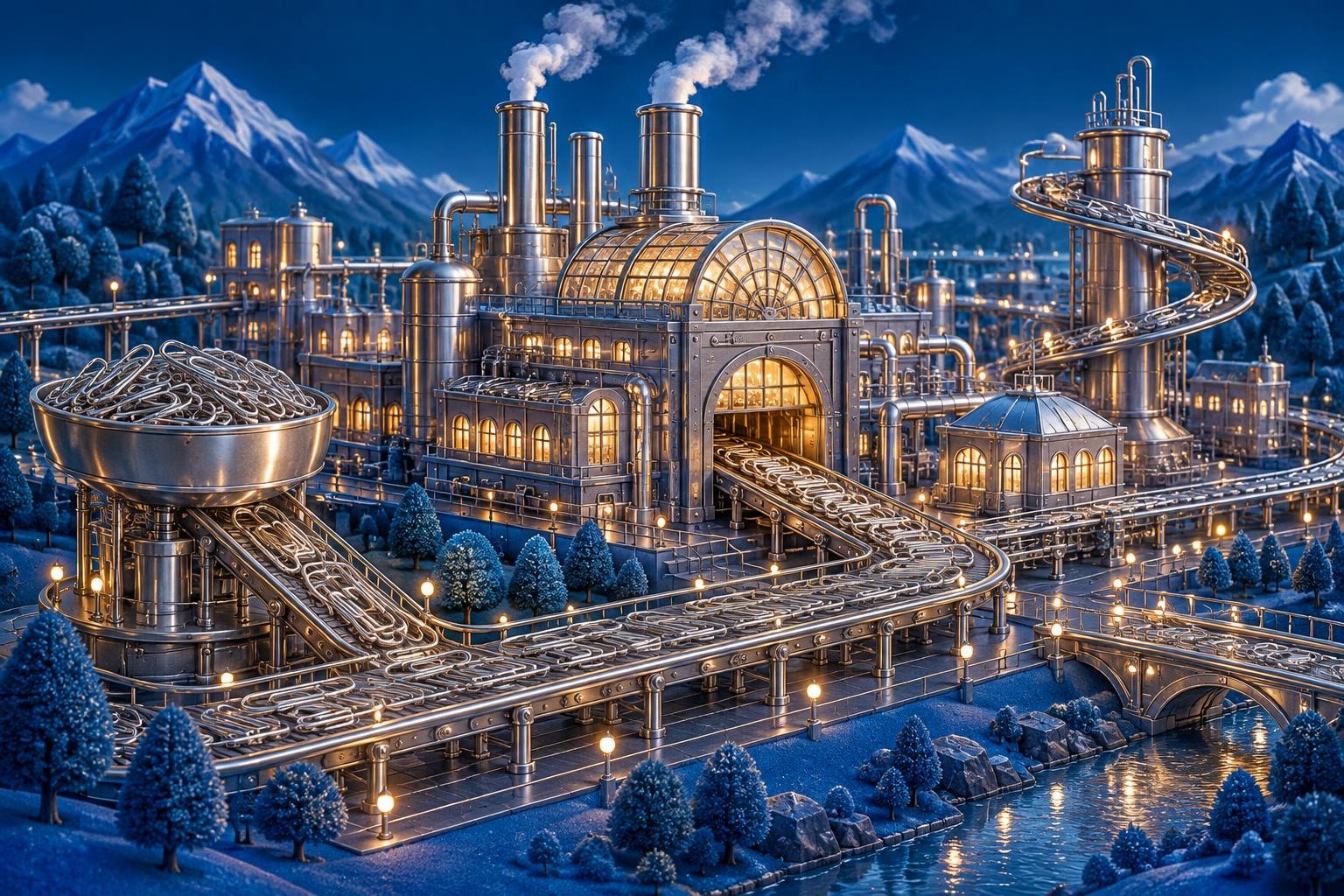
A production game in which making paperclips becomes a problem of price, supply and automation. The plain interface leaves the changing decisions in full view.
A farm grows one arrangement at a time. Farm Merge Valley connects matching objects with a larger project, giving a small action on the grid a place in the gradual development of a productive landscape.